




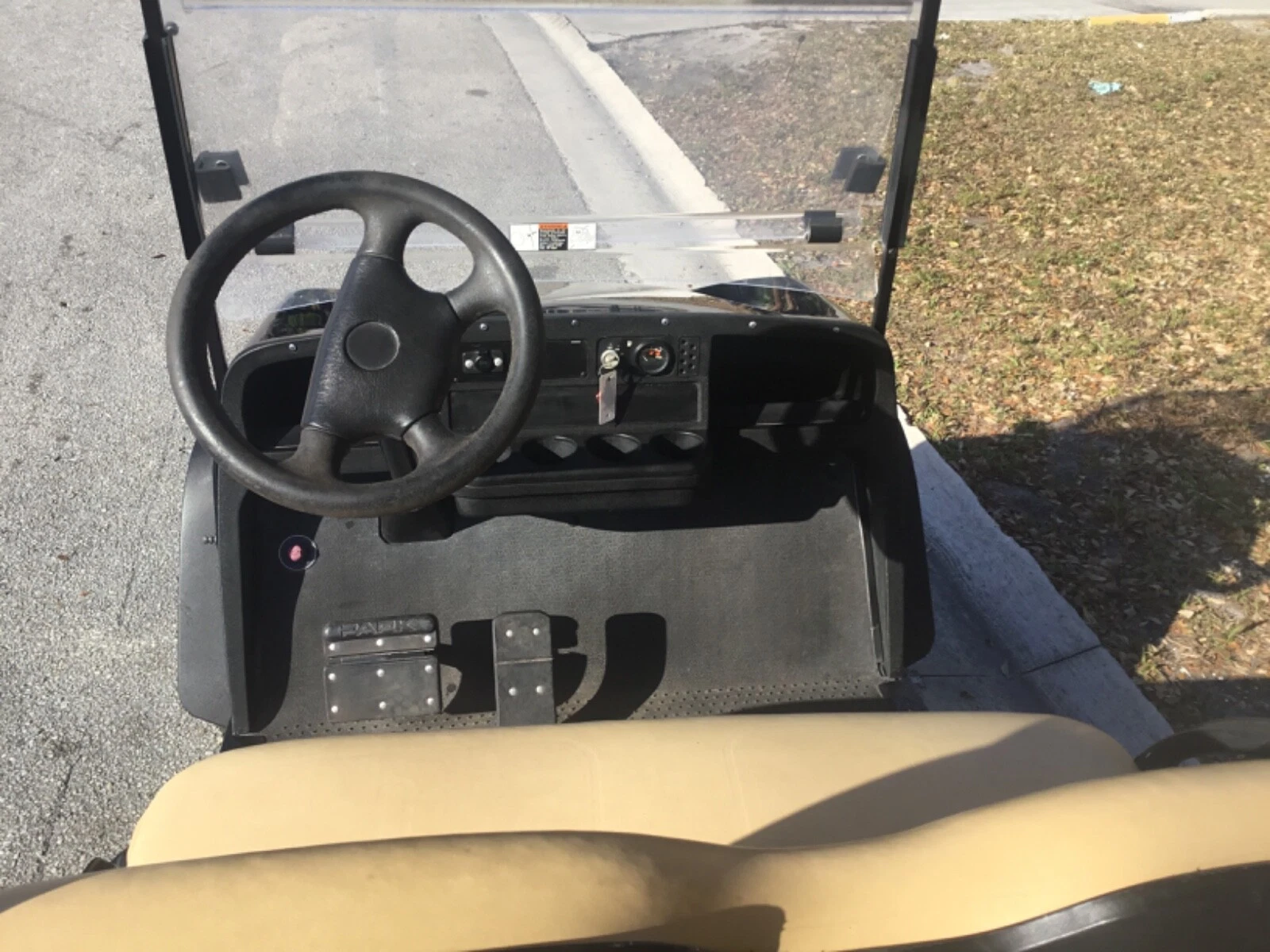
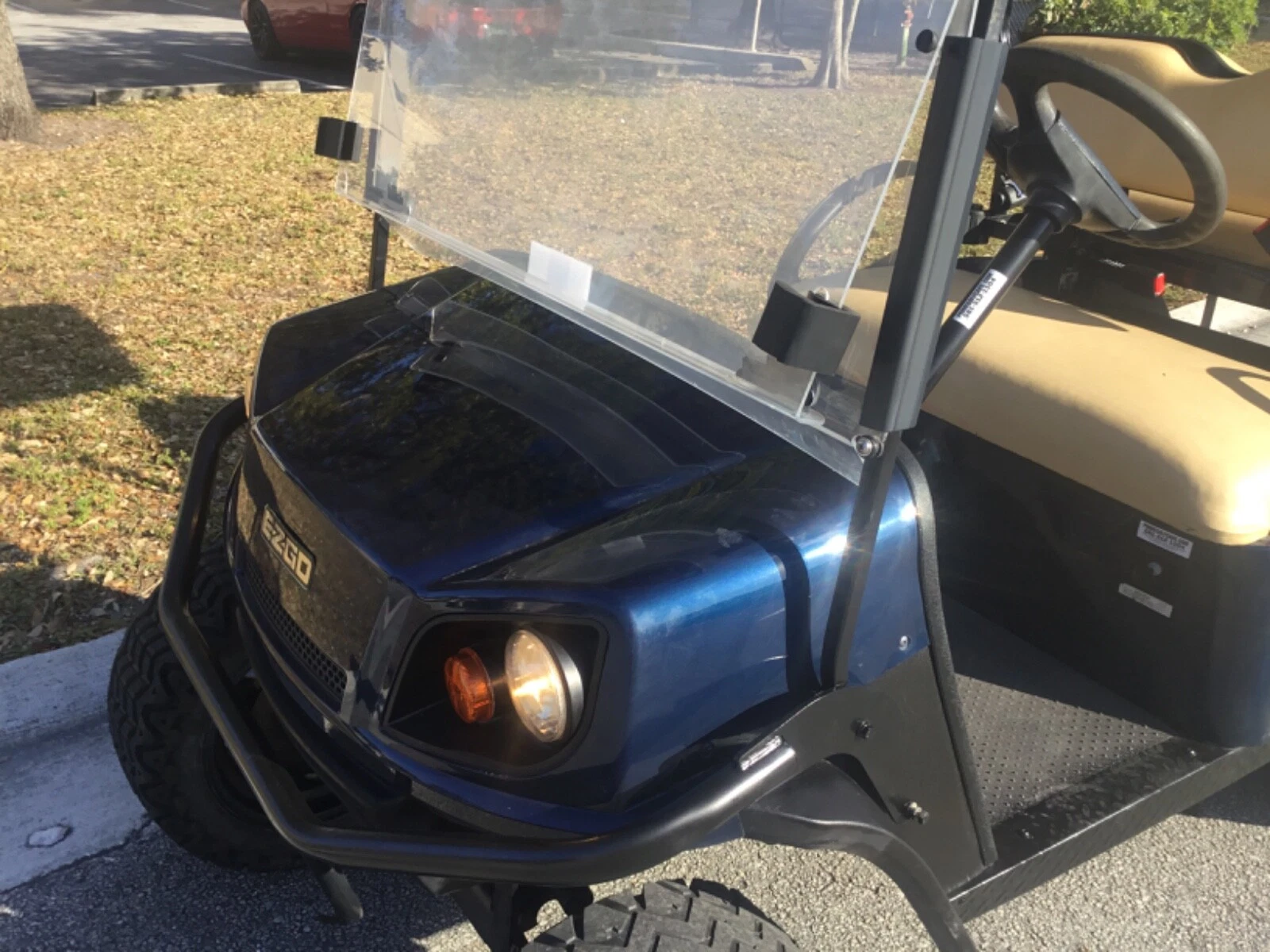




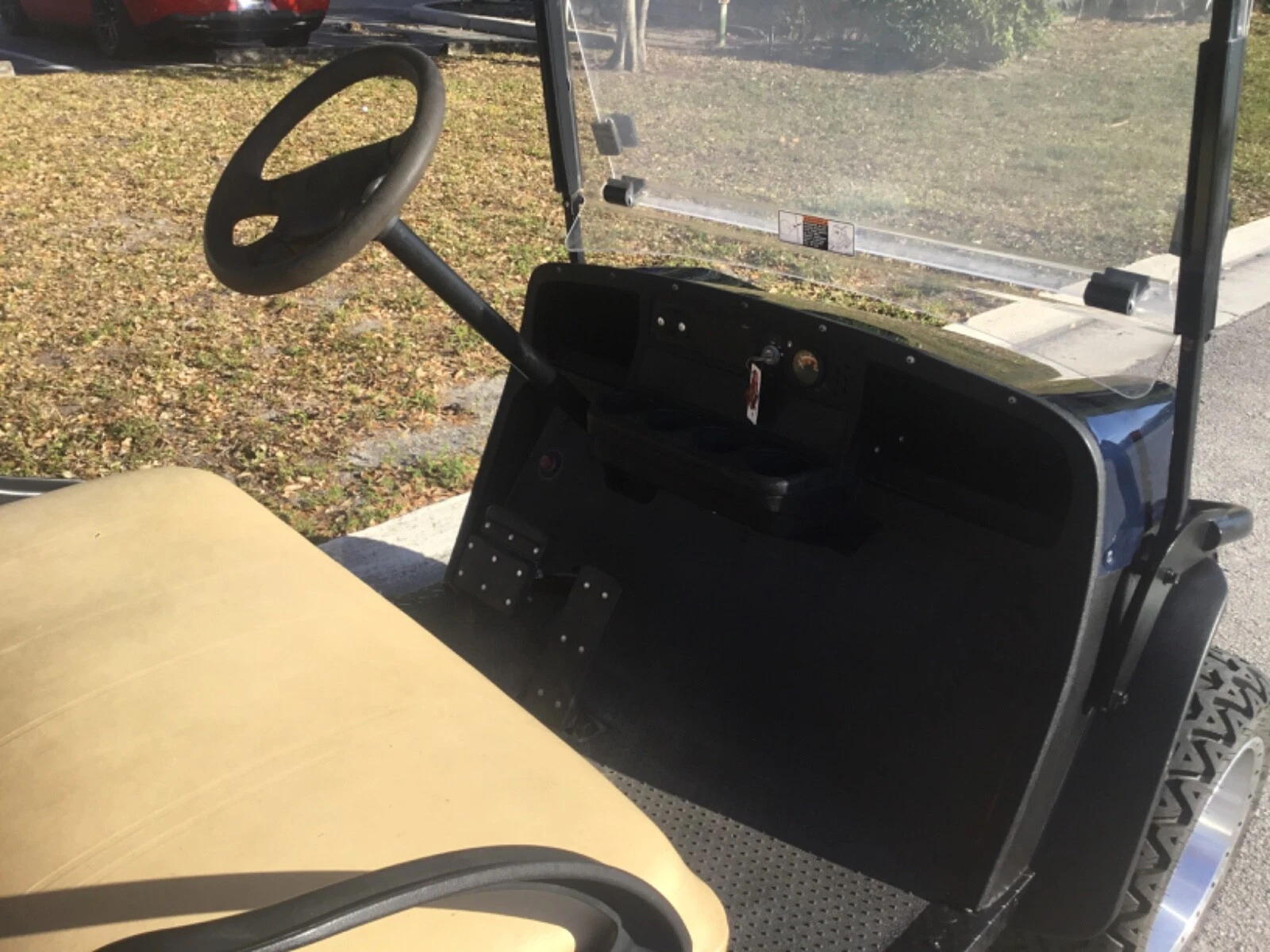


Description
Introduction
The 2018 Ezgo txt lift kit Gas occupies a unique position in the world of gas-powered golf carts. By 2018, the TXT platform had already established itself as one of the most successful and enduring designs in the industry, with a production history spanning more than two decades. Rather than representing a radical departure, the 2018 model year embodies the culmination of continuous refinement—a vehicle that has been tested, improved, and perfected through millions of hours of real-world operation across golf courses, resorts, residential communities, and commercial applications worldwide.
What makes the TXT Gas particularly significant is its role as the industry workhorse. While competitors focused on introducing premium features and technological complexity, E-Z-GO maintained a philosophy centered on simplicity, durability, and serviceability. The result is a gas cart that may not boast the most advanced suspension or the quietest operation, but one that consistently starts when asked, handles demanding conditions without complaint, and remains straightforward to repair when maintenance is eventually required.
This comprehensive guide explores every aspect of the 2018 E-Z-GO TXT Gas, from its engineering philosophy and technical specifications to real-world performance, ownership considerations, and the modifications that owners commonly pursue. Whether you are evaluating a purchase, maintaining an existing cart, or simply seeking to understand why this platform has achieved such enduring popularity, this analysis will provide the depth of information you need.
The Legacy of the TXT Platform
Origins and Evolution : 2018 Ezgo txt lift kit
The Ezgo txt lift kit lineage traces back to the 1990s, when the company sought to replace its venerable Marathon model with a more modern design. The TXT (whose name derivation remains something of a mystery, though enthusiasts often speculate it stands for “Textron” or “Tough XTreme”) was introduced and quickly gained traction for its improved ergonomics, more accessible maintenance points, and distinctive rounded body styling that set it apart from the boxy designs of competitors.
Over the years, the TXT underwent numerous refinements while maintaining core architectural elements that contributed to its reliability. The welded steel frame, leaf spring suspension, and 4-cycle engine platform remained consistent even as components were upgraded and improved. By 2018, the TXT represented the most mature version of this design, benefiting from decades of production experience and feedback from fleet operators who depended on these vehicles for daily operation.
E-Z-GO’s Manufacturing Philosophy
E-Z-GO, a subsidiary of Textron Specialized Vehicles, operates with a manufacturing philosophy that prioritizes durability and ease of service over cutting-edge innovation. This approach is reflected in the TXT Gas’s component selection: air-cooled engines eliminate coolant system failures, carburetors (while less sophisticated than EFI) can be serviced with basic tools, and leaf spring suspensions provide reliable performance with minimal maintenance requirements.
This philosophy has made E-Z-GO a favorite among golf course superintendents and fleet managers who need vehicles that can withstand daily use by dozens of different drivers, often under less-than-ideal conditions. The TXT Gas is designed to be forgiving—it tolerates rough handling, inconsistent maintenance schedules, and operation in dusty, wet, or otherwise challenging environments.
Engine and Powertrain Analysis
The 401cc Powerplant
At the heart of the 2018 TXT Gas lies a 401cc (24.5 cubic inch) 4-cycle single-cylinder OHV engine, producing 13.5 horsepower at governed speed. This engine represents a significant displacement advantage over many competitors—Yamaha’s comparable offerings utilized a 357cc engine, while Club Car’s engine displacement varied by model. The larger displacement translates to greater torque output, which is particularly beneficial for applications involving hilly terrain, heavy loads, or the addition of rear seats and other accessories that increase overall vehicle weight.
The engine architecture follows an OHV (Overhead Valve) design, which improves breathing efficiency compared to older flathead or side-valve designs. This configuration allows for better power output and cleaner emissions while maintaining a compact overall package. The single-cylinder configuration keeps parts count low and simplifies the valvetrain, reducing potential failure points.
Air-Cooled Simplicity
One of the defining characteristics of the TXT Gas engine is its air-cooled design. Unlike liquid-cooled engines found in some competitors and many automotive applications, the TXT’s engine relies on airflow over cooling fins integrated into the cylinder and cylinder head to dissipate heat. A cooling fan mounted to the flywheel directs air across these fins during operation.
The air-cooled approach offers several advantages in the golf cart application. First, it eliminates the need for coolant, water pumps, radiators, hoses, and thermostats—components that can fail, leak, or require periodic replacement. Second, it reduces overall vehicle weight and complexity. Third, it simplifies cold-weather operation, as there is no coolant to freeze or require antifreeze management.
The trade-off is that air-cooled engines can be more susceptible to overheating under sustained heavy loads or in extremely hot ambient conditions. However, the 401cc engine is conservatively rated and the cooling system is designed for the duty cycle typical of golf cart operation—intermittent use with periods of rest between heavy loads.
Pressurized Lubrication System
Unlike smaller utility engines that rely on splash lubrication, the TXT Gas features a pressurized oil system with a spin-on oil filter. This represents a significant advancement in engine durability. The pressurized system ensures that critical components—crankshaft bearings, connecting rod, camshaft, and valvetrain components—receive consistent oil flow regardless of engine orientation or operating conditions.
The spin-on oil filter is a standard automotive-style unit that can be replaced during routine oil changes. The filter captures contaminants and debris that would otherwise circulate through the engine, extending component life. Oil capacity is approximately 1.5 quarts, and recommended oil change intervals are typically annual or after a specified number of operating hours, depending on usage conditions.
Fuel System and Carburetion
The 2018 TXT Gas utilizes a traditional carbureted fuel system. The carburetor is a float-type design that mixes fuel with incoming air based on engine vacuum. An industrial-rated dry air cleaner protects the engine from dust and debris, with a larger filter element than many competitors, allowing for extended service intervals in dusty environments.
While carburetors require more attention than modern electronic fuel injection systems—they may need periodic cleaning, adjustment, or rebuild—they offer advantages in simplicity and repairability. A carbureted engine can be diagnosed with basic mechanical knowledge and common tools. Carburetor rebuild kits are inexpensive and widely available, and many owners can perform this service themselves.
The carburetor is equipped with a fuel shut-off solenoid that prevents after-run (dieseling) when the engine is shut off. This solenoid can occasionally fail, causing starting difficulties, but replacement is straightforward and cost-effective.
Continuously Variable Transmission (CVT)
Power from the engine is transmitted through a continuously variable transmission (CVT), commonly referred to as a belt-drive system. The CVT consists of a drive clutch mounted to the engine crankshaft and a driven clutch mounted to the transaxle input shaft, connected by a heavy-duty drive belt.
The CVT operates on centrifugal principles. At idle, the drive clutch is disengaged, allowing the engine to run without transmitting power to the wheels. As engine speed increases, weights inside the drive clutch move outward, causing the clutch sheaves to close and grip the belt, initiating power transfer. The driven clutch responds to belt tension and torque demands, adjusting its ratio continuously to maintain optimal engine RPM for the given load and speed conditions.
This system provides smooth, seamless acceleration without the need for gear changes. It also allows the engine to operate at its most efficient RPM range under varying conditions. The CVT is durable and requires minimal maintenance beyond periodic belt inspection and replacement. Belts typically last several years under normal use, though heavy loads, hilly terrain, or oversized tires can accelerate wear.
Drive Train and Transaxle
The CVT drives a transaxle that combines the functions of transmission and rear axle. The differential uses helical gears, with a forward gear ratio of 11.42:1 and a reverse ratio of 15.78:1. The reverse ratio is numerically higher (lower gearing) than forward, providing additional torque for maneuvering in reverse, which can be helpful when backing up slopes or maneuvering with heavy loads.
The transaxle housing is cast aluminum and contains the differential, final drive gears, and the reverse gearset. It is filled with approximately 1 quart of gear oil, which should be checked periodically and replaced according to the maintenance schedule.
Chassis and Structural Design
Welded Steel Frame
The foundation of the TXT Gas is a welded steel ladder frame, similar in concept to traditional truck and SUV construction. The frame is constructed from formed steel channels that are robotically welded to ensure consistent quality and structural integrity. This type of frame provides excellent rigidity, which contributes to predictable handling and durability under load.
The frame undergoes a powder-coat finishing process for corrosion protection. Powder coating involves applying a dry powder electrostatically and then curing it under heat, creating a durable, chip-resistant finish that withstands exposure to moisture, chemicals, and road salts better than traditional paint. This protection is particularly important for carts used in coastal environments or regions where roads are treated with deicing compounds.
Thermoplastic Olefin Body
The body panels are constructed from injection-molded thermoplastic olefin (TPO), a material chosen for its combination of impact resistance, UV stability, and design flexibility. TPO is more flexible than fiberglass or metal, allowing it to absorb impacts without cracking or denting. This is a significant advantage in golf cart applications, where minor collisions with trees, curbs, or other carts are common.
The TPO material also resists fading and degradation from sun exposure. E-Z-GO applies automotive-grade paint formulations that maintain color fidelity over years of outdoor storage. The material can be repaired for minor scratches and scuffs, and replacement body panels are readily available if more significant damage occurs.
Suspension System
Both the front and rear suspension systems utilize leaf springs with hydraulic shock absorbers. This suspension design is among the simplest possible, consisting of two leaf spring packs per axle that support the vehicle weight and absorb road impacts, with hydraulic shocks controlling spring oscillation.
The leaf spring suspension offers several advantages. It is exceptionally durable, with no ball joints, control arm bushings, or other components that wear out and require replacement. It provides consistent ride height regardless of load, and it allows for easy lift kit installation for owners seeking larger tires or increased ground clearance. The design also facilitates easy towing, as the leaf springs maintain stability under tongue load.
The trade-off is ride quality. Leaf spring suspensions transmit more road imperfections to the chassis than independent suspension designs, and they can produce a harsher ride over sharp bumps or washboard surfaces. However, for golf course and paved road applications, the ride is generally considered acceptable, and many owners appreciate the simplicity and durability trade-offs.
Braking System
The TXT Gas utilizes rear wheel mechanical drum brakes with a self-adjusting mechanism. Drum brakes are enclosed within the wheel hub, protecting them from dirt, water, and debris that can affect brake performance. The self-adjusting feature automatically takes up slack as brake linings wear, maintaining consistent pedal feel and stopping performance without periodic manual adjustment.
The braking system is cable-actuated, connecting the brake pedal to the rear wheel brake assemblies via steel cables. This mechanical system is simple, reliable, and easy to service. Brake cables can develop corrosion over time, particularly in salt-air environments, but replacement is straightforward.
The parking brake is a self-compensating single-point engagement system. When the brake pedal is depressed fully and the parking brake latch is engaged, the system automatically adjusts to maintain proper holding force as components wear.
Steering System
The steering system uses a rack-and-pinion design with a steering ratio calibrated for golf cart applications. The turning radius is 19.0 feet measured as the outside clearance circle, allowing the cart to navigate tight fairways, cart paths, and residential driveways with ease.
The steering system is mounted to the front suspension and frame in a configuration that minimizes bump steer—the tendency for steering inputs to occur when the suspension compresses or extends over bumps. This contributes to predictable handling and reduces driver fatigue during extended operation.
Dimensions, Capacities, and Practical Considerations
Physical Dimensions : 2018 Ezgo txt lift kit
The 2018 Ezgo txt lift kit measures 93.0 inches in overall length, 47 inches in width, and 67.5 inches in height with the standard sun canopy installed. These dimensions are carefully optimized for the typical golf cart use case. The width of 47 inches allows the cart to navigate standard golf cart paths and fit through narrow gates and storage spaces. The length provides adequate space for two passengers and golf bags without making the cart unwieldy in tight spaces.
The wheelbase is 66.0 inches, which contributes to a stable ride while maintaining maneuverability. Ground clearance is 4.25 inches, which is adequate for golf course use and paved roads but may be limiting for off-road applications. Owners seeking additional ground clearance often install lift kits, which can raise the vehicle by 3 to 6 inches depending on the kit selected.
Weight and Capacity
The curb weight of the TXT Gas is 780 pounds. This weight includes all standard equipment and fluids but does not include passengers or cargo. The payload capacity is 800 pounds, which is substantial for a two-passenger vehicle. This capacity allows for two adult passengers, golf bags, and additional gear without exceeding the vehicle’s design limits.
The payload capacity is particularly important for owners who add rear seat kits, which typically add 100 to 150 pounds to the vehicle weight and allow for two additional passengers. The 800-pound capacity provides sufficient margin for these conversions while maintaining safe handling and braking performance.
Fuel Capacity and Range
The fuel tank holds 5.3 gallons (20.0 liters) of gasoline. Under typical operating conditions, the TXT Gas achieves fuel economy in the range of 30 to 40 miles per gallon, depending on terrain, load, and driving style. This yields a practical range of approximately 160 to 210 miles per tank, meaning most owners will refuel infrequently—potentially only every few weeks or months depending on usage patterns.
The fuel tank is constructed from cross-linked polyethylene, a material that resists corrosion and impact damage. The fuel filler is conveniently located for easy access, and the fuel gauge is integrated into the dashboard display.
Storage and Utility
The TXT Gas features a rear bagwell designed to accommodate two golf bags, with the 2018 model receiving an oversized design that handles larger modern golf bags and provides additional space for other cargo. The bagwell is constructed from durable plastic that resists scuffing and can be easily cleaned.
The dashboard area offers storage for small items, and additional storage can be added through accessory options such as glove boxes, under-seat storage bins, and cargo trays. For owners requiring more substantial cargo capacity, utility bed conversions are available that replace the rear seat or bagwell with a flat cargo deck.
Real-World Performance and Driving Experience
Acceleration and Speed : 2018 Ezgo txt lift kit
The 2018 TXT Gas accelerates smoothly from a stop, with the CVT providing seamless power delivery. The 13.5 horsepower engine provides adequate thrust for typical golf cart applications. Acceleration is not sporty by automotive standards, but it is entirely appropriate for the vehicle’s intended use—getting from the clubhouse to the first tee, navigating resort grounds, or cruising through residential neighborhoods.
The top speed is factory-governed to approximately 19 miles per hour. This speed limit is established to meet safety standards and regulatory requirements for golf carts operated on public roads. Dealers can adjust the governor to increase top speed for private property use, though owners should be aware that higher speeds affect stability, braking distance, and tire wear.
Hill-Climbing Capability
One area where the TXT Gas distinguishes itself is hill-climbing capability. The 401cc engine’s torque output, combined with the CVT’s ability to maintain engine RPM in the power band, allows the cart to handle grades that challenge smaller-engined competitors. This capability is particularly valued in hilly terrain, whether on golf courses with significant elevation changes or in residential communities built on slopes.
The lower reverse gear ratio (15.78:1 versus 11.42:1 forward) provides additional torque for backing up slopes, a feature that proves useful when maneuvering in hilly driveways or when positioning the cart on inclined parking areas.
Ride Quality and Handling
Ride quality is a subject of some debate among TXT owners. The leaf spring suspension provides a firm, controlled ride that many describe as “truck-like.” On smooth surfaces such as well-maintained cart paths or paved roads, the ride is comfortable and predictable. On rough surfaces, washboard roads, or uneven turf, the leaf springs transmit more vibration and impact to the chassis than independent suspension designs.
Handling is predictable and stable. The steering provides good feedback, and the cart tracks straight at speed. The turning radius is tight enough for most maneuvering situations, though parallel parking in tight spaces may require a few extra maneuvers compared to shorter-wheelbase carts.
Noise and Vibration
The air-cooled 401cc engine is not quiet by modern standards. At idle, the engine produces a characteristic mechanical sound typical of single-cylinder utility engines. Under acceleration, engine noise increases, and the CVT contributes its own operational sounds. Vibration is present but not excessive, with the engine mounts and chassis design absorbing much of the mechanical energy before it reaches the occupants.
For owners accustomed to electric carts, the TXT Gas will seem noticeably louder. For those transitioning from older gas carts or who value the range and refueling convenience of gas power, the noise levels are generally considered acceptable.
Maintenance and Longevity
Routine Maintenance Requirements : 2018 Ezgo txt lift kit
The TXT Gas is designed for straightforward routine maintenance. The key maintenance items include:
Oil Changes: The pressurized lubrication system with spin-on filter requires oil changes at intervals specified in the owner’s manual, typically annually or after a set number of operating hours. The spin-on filter simplifies the process compared to cartridge-type filters.
Air Filter Service: The industrial-rated dry air cleaner should be inspected periodically and replaced when dirty. In dusty environments, more frequent service is required. The filter is easily accessible and can be replaced without tools in most cases.
Drive Belt Inspection: The CVT drive belt should be inspected for wear, cracking, or glazing. Belt replacement is a straightforward procedure, though it requires some mechanical aptitude and access to the clutch system.
Spark Plug Replacement: The spark plug is accessible and should be replaced according to the maintenance schedule or when starting difficulties arise.
Brake Adjustment: The self-adjusting brake system reduces the need for manual adjustment, though periodic inspection of brake linings and cables is recommended.
Common Issues and Owner Experiences
The 2018 TXT Gas has proven generally reliable, but owners have documented several issues that can arise with age and use.
Carburetor-Related Starting Issues: The most frequently reported issue involves starting difficulties related to the carburetor. Ethanol-blended fuels can cause carburetor degradation if the cart sits unused for extended periods. Fuel can evaporate, leaving behind deposits that clog jets and passages. Regular use of fuel stabilizer and periodic carburetor cleaning can prevent these issues.
Fuel Pump Failures: The mechanical fuel pump, mounted to the engine and operated by crankcase pressure pulses, can occasionally fail. Symptoms include hard starting, loss of power, or engine stalling. Replacement fuel pumps are inexpensive and can be installed with basic tools.
Drive Belt Wear: Heavy use, oversized tires, or operation in hilly terrain can accelerate drive belt wear. A worn belt may cause slipping, reduced acceleration, or loss of top speed. Belt replacement is considered routine maintenance for high-use vehicles.
Throttle Cable Adjustment: Over time, throttle cables can stretch, affecting accelerator pedal feel and engine response. Simple cable adjustments can restore proper operation.
Parts Availability and Aftermarket Support
One of the TXT Gas’s greatest strengths is the availability of parts and aftermarket support. E-Z-GO maintains an extensive dealer network, and parts for the TXT platform are widely available through dealerships, online retailers, and aftermarket suppliers. Many common wear items—belts, filters, brake components—are stocked by multiple suppliers and can be obtained quickly.
The aftermarket for TXT accessories is vast. Owners can choose from hundreds of options for wheels, tires, lift kits, seats, roofs, lighting, sound systems, and performance upgrades. This support allows owners to customize their carts to suit their specific needs and preferences.
Modifications and Customization
Performance Upgrades : 2018 Ezgo txt lift kit
Owners seeking enhanced performance have numerous options. The governor can be adjusted to increase top speed, though this should be done carefully to avoid over-revving the engine. Higher-performance drive belts can improve power transmission efficiency. Aftermarket clutches can provide improved engagement characteristics and better performance with larger tires.
Exhaust system upgrades are available that can increase power output while changing the engine’s sound character. Intake modifications, including high-flow air filters, can improve engine breathing. These modifications should be considered carefully, as they may affect reliability, noise levels, and warranty coverage.
Visual Customization
The TXT body accepts a wide range of visual modifications. Custom wheels in sizes ranging from 8 to 14 inches are available, with corresponding tire options for various applications. Full body kits can change the cart’s appearance dramatically, with options ranging from classic designs to modern, aggressive styling.
Custom paint, wraps, and graphics allow owners to personalize their carts. LED lighting upgrades provide improved visibility and modern styling. Custom seat upholstery, steering wheels, and interior accessories complete the transformation.
Functional Accessories
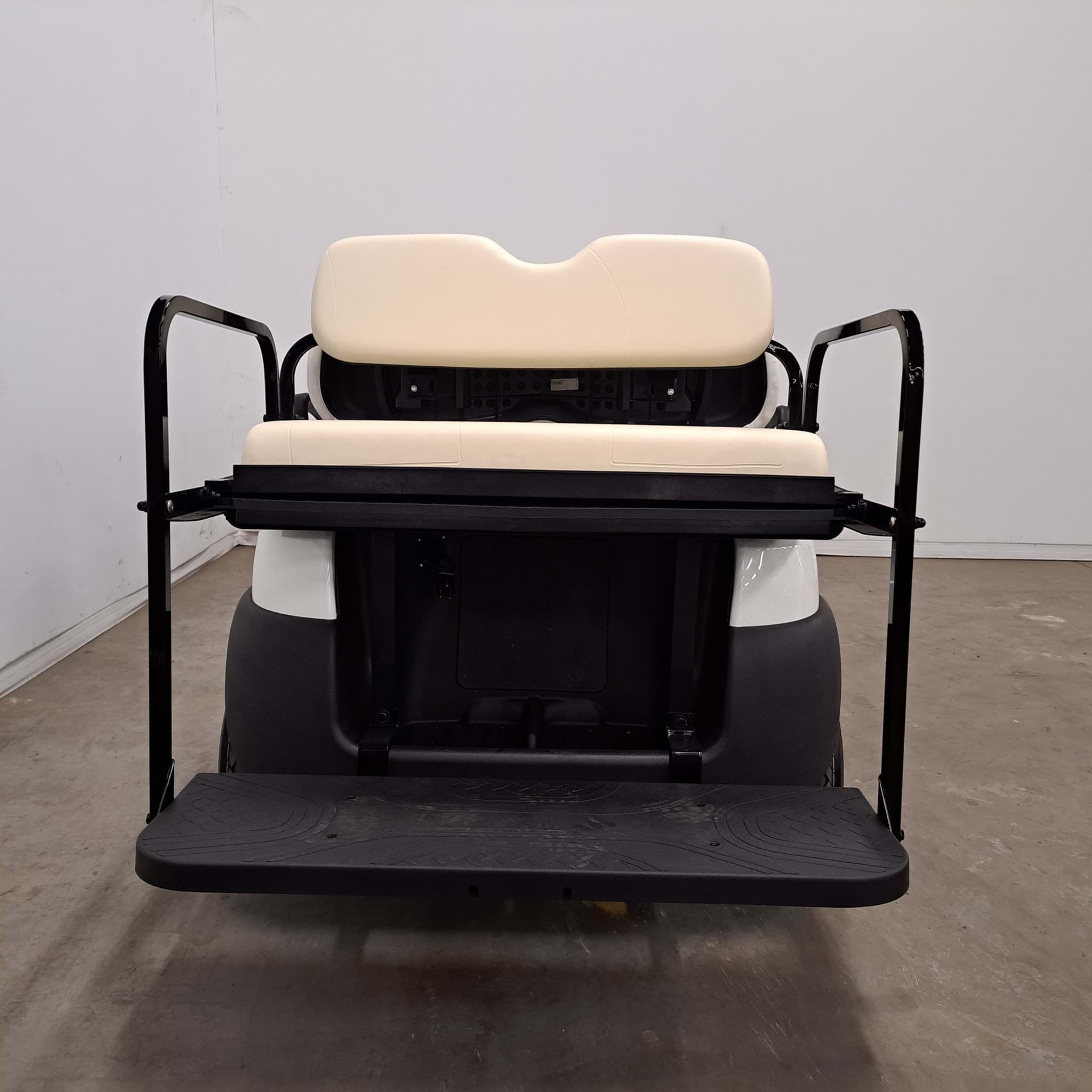
Functional accessories expand the TXT’s capabilities. Rear seat kits convert the two-passenger cart to carry four, with folding designs that allow the seat to convert to a cargo deck. Lift kits raise the cart for larger tires and improved off-road capability. Enclosed cabs provide weather protection for year-round use. Utility beds replace the rear seat or bagwell for cargo hauling applications.
Street-legal packages add turn signals, brake lights, horn, mirrors, and other equipment required for operation on public roads. These packages vary by jurisdiction, and owners should verify local requirements before operating on public streets.
Conclusion : 2018 Ezgo txt lift kit
The 2018 Ezgo txt lift kit Gas stands as a testament to the value of proven design and continuous refinement. In an era when manufacturers increasingly pursue complexity and premium features, the TXT remains true to its roots as a durable, serviceable, and dependable workhorse. Its 401cc engine provides torque that smaller competitors cannot match, its leaf spring suspension delivers durability that independent designs cannot replicate, and its vast aftermarket support ensures that owners can maintain and customize their carts for years to come.

Reviews
There are no reviews yet.