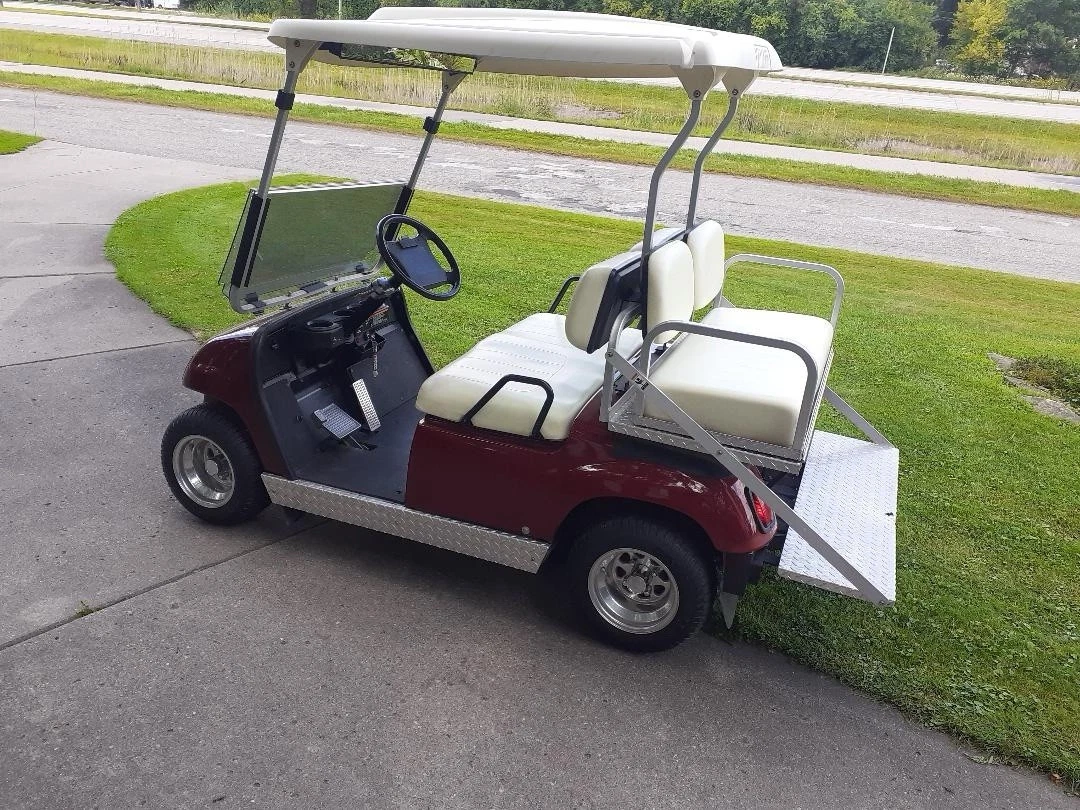
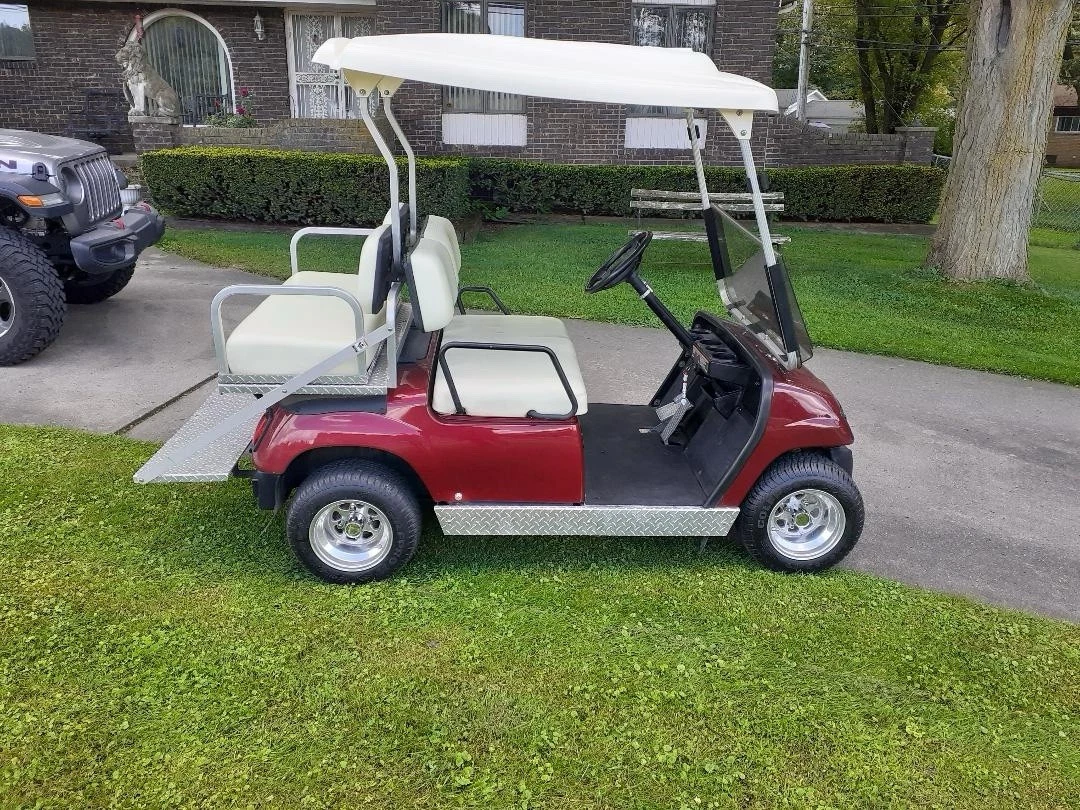
Description
Introduction
2006 YAMAHA GOLF CART marked a pivotal moment in the history of golf carts and personal transportation vehicles. For Yamaha Golf Car Company, it represented the culmination of years of engineering development and market research, resulting in the launch of an entirely new platform: the Yamaha Drive, designated internally as the G29 model. This was not merely a facelift or an incremental update to the previous G22 series; it was a ground-up reimagining of what a golf cart could be. The 2006 Yamaha Gasoline Golf Cart introduced a level of automotive sophistication, driving refinement, and user-centric design that set new benchmarks for the industry.
For over two decades, Yamaha had built a reputation for reliability with its G-series carts from the G1 of the late 1970s through the G2, G8, G14, G16, G19, and G22 models. Each generation brought incremental improvements in engine technology, suspension, and ergonomics. However, by the mid-2000s, the golf cart market was evolving. Carts were no longer confined to golf courses; they were becoming essential vehicles in retirement communities, sprawling residential developments, industrial campuses, and even for agricultural use. Consumers were demanding more comfort, better aesthetics, lower maintenance, and enhanced safety features. The 2006 Yamaha Drive was Yamaha’s bold answer to these demands.
This comprehensive exploration delves into every aspect of the 2006 Yamaha Gasoline Golf Cart, examining its design philosophy, powertrain innovations, chassis engineering, driving experience, and its lasting legacy in the world of low-speed vehicles.
Design Philosophy : YAMAHA GOLF CART
2006 Yamaha Drive first appeared on golf courses and in residential communities, it was immediately recognizable as something different. The design team in Newnan, Georgia, and Japan had taken inspiration from contemporary automotive trends, moving decisively away from the utilitarian, boxy aesthetic that had defined the golf cart industry since its inception.
Exterior Styling
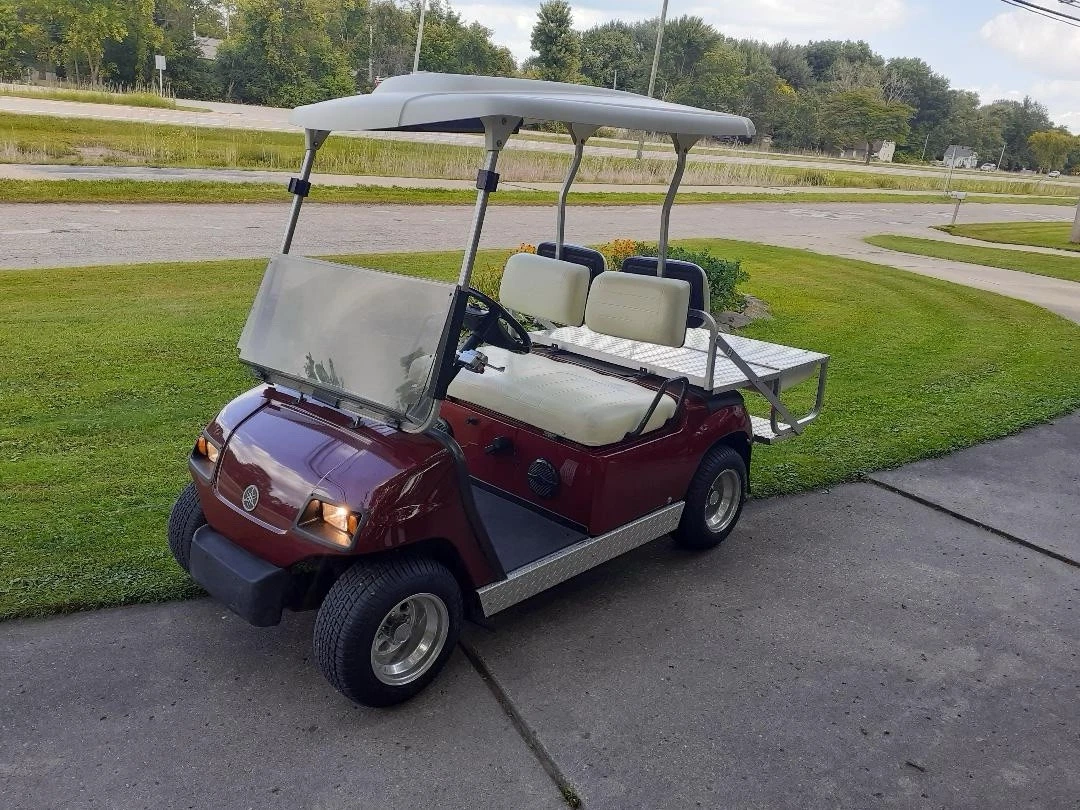
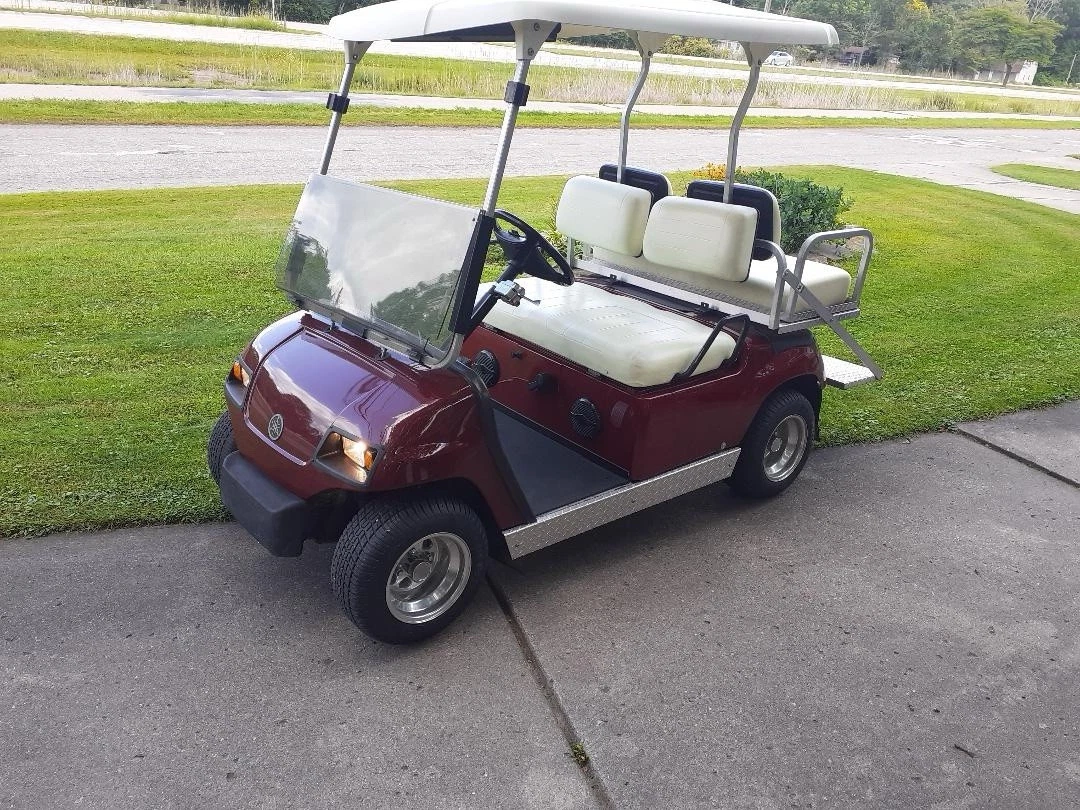
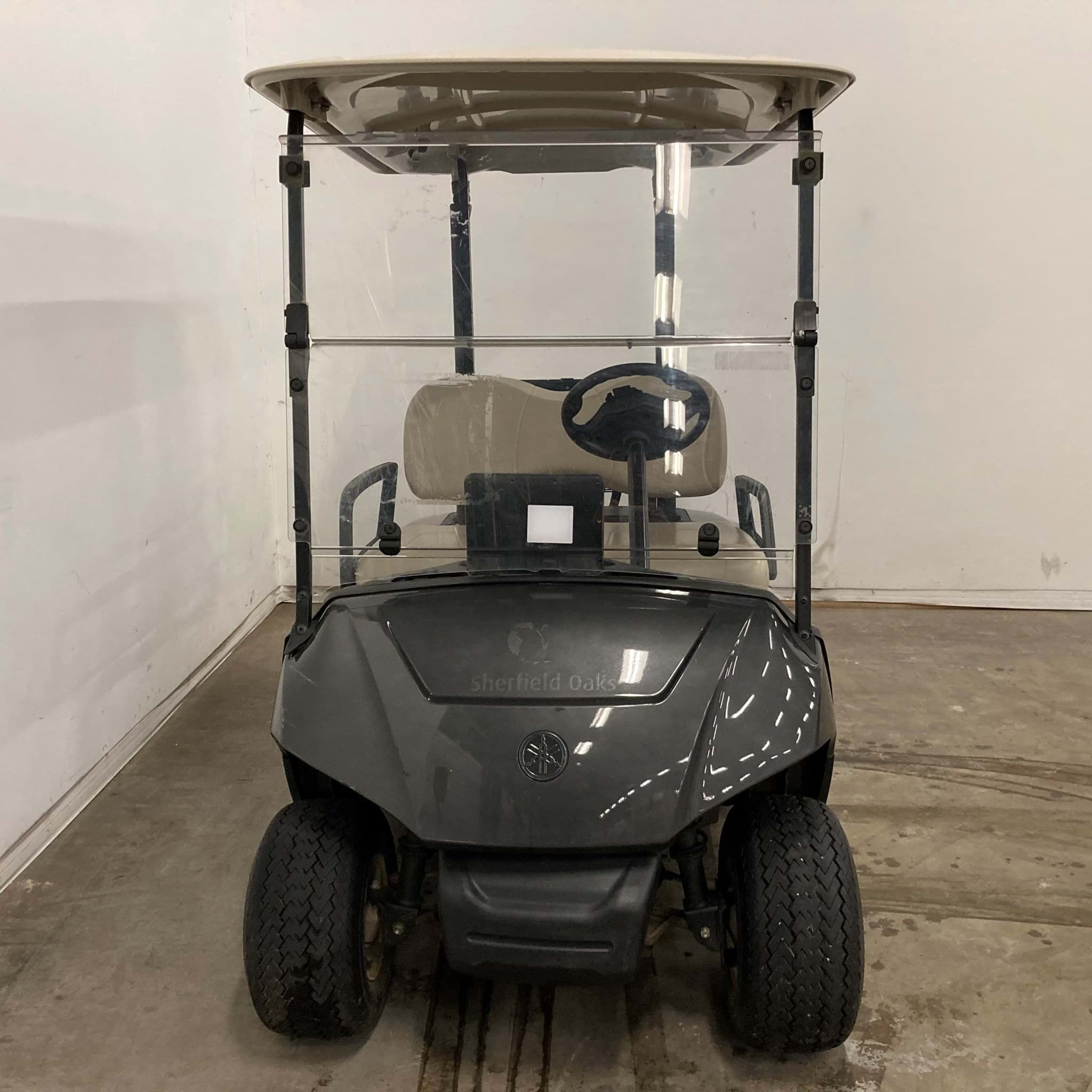
The most striking feature of the 2006 Drive was its low-profile front cowl. Unlike the tall, flat fronts of previous G-series models, the G29 featured a sloping, aerodynamic nose that swept down between integrated headlights. This design reduced visual bulk and gave the cart a sporty, planted stance. The headlights themselves were no longer aftermarket-add-on units; they were fully integrated, flush-mounted composite housings that projected a modern, car-like appearance.
The body panels were constructed from DuPont™ Surlyn®—a high-impact, automotive-grade material chosen for its durability, UV resistance, and color retention. This was a significant upgrade from the standard plastic or fiberglass bodies used by competitors. The Surlyn® material could withstand the inevitable bumps and scrapes of golf course and neighborhood use without cracking or fading, ensuring that a 2006 cart could still present well over a decade later.
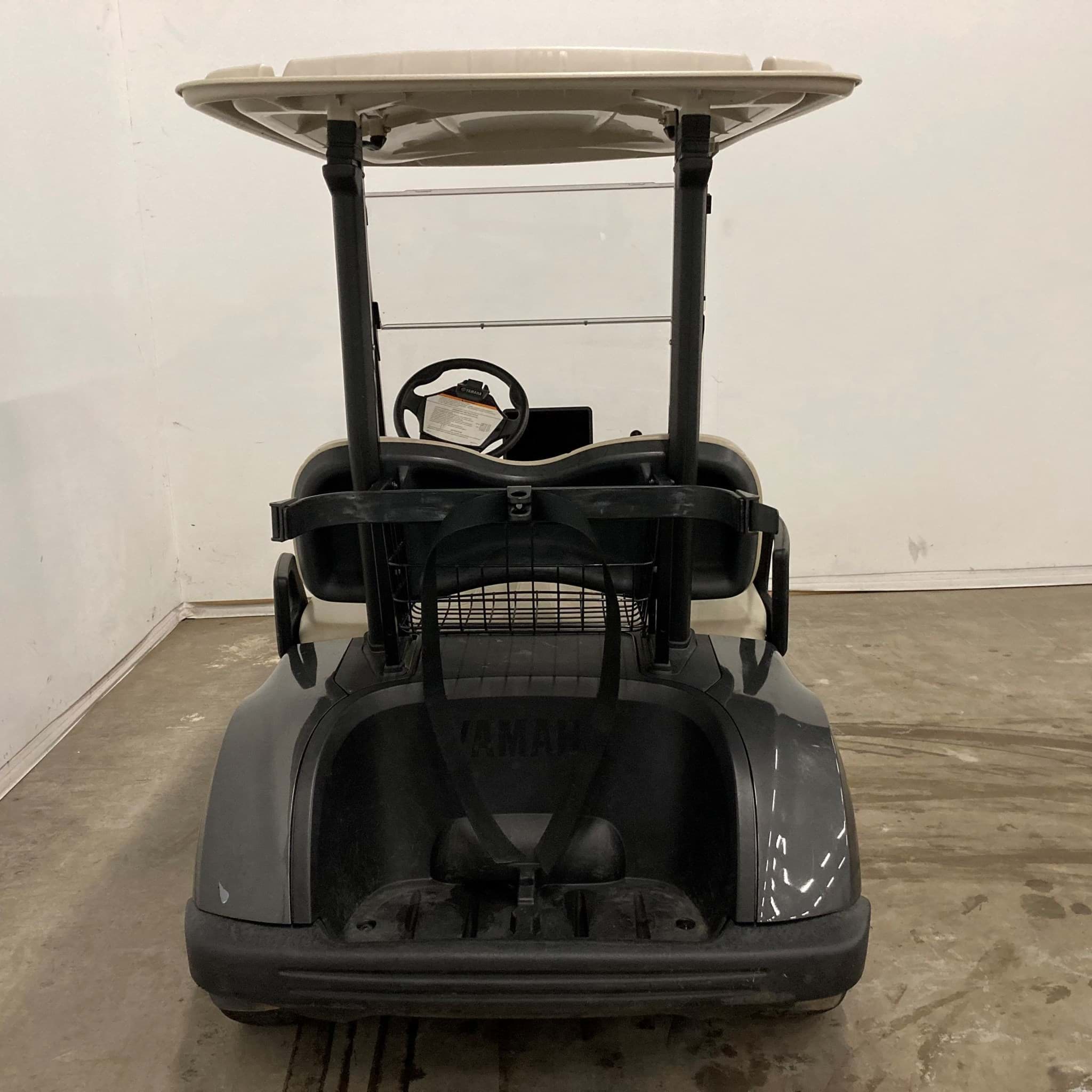
The rear body section incorporated integrated taillights and a contoured rear valance that wrapped around the chassis. The overall silhouette featured a subtle beltline crease that ran from the cowl to the rear fenders, further reinforcing the automotive aesthetic. Yamaha offered the 2006 Drive in a range of colors, including Beige, Forest Green, White, and Burgundy, with optional two-tone packages for buyers seeking additional personalization.
Ergonomics and Interior : YAMAHA GOLF CART
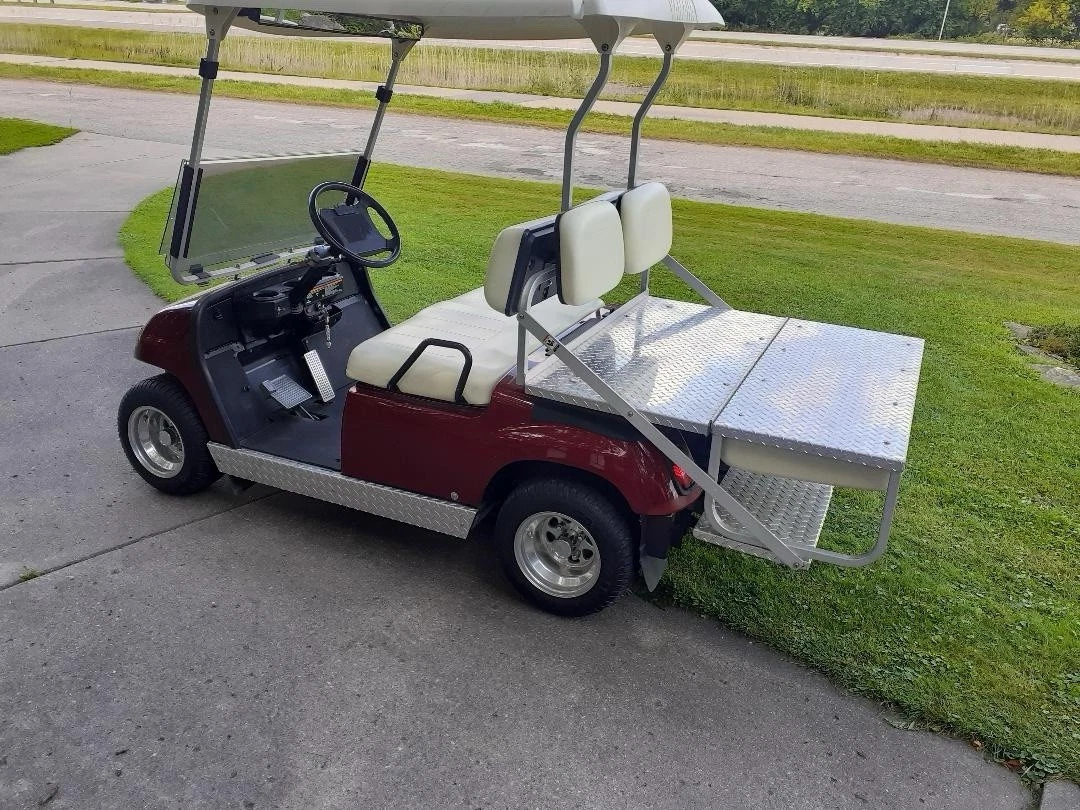
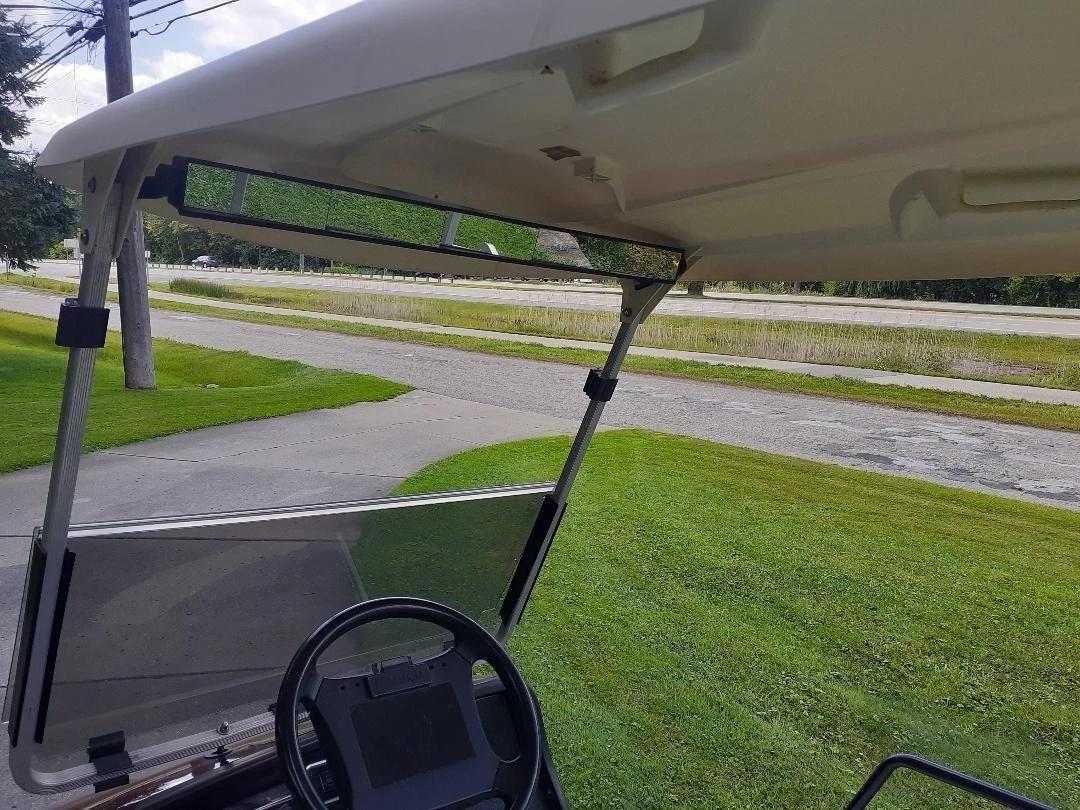
Stepping into the 2006 Yamaha Drive, the driver was greeted by a cabin designed with automotive principles in mind. The most significant ergonomic advancement was the steering wheel. Previously, golf carts utilized a nearly horizontal steering column that required a tiller-like driving posture. Yamaha redesigned the steering system to achieve a more vertical column angle, positioning the steering wheel at a car-like 18-degree angle. This reduced arm fatigue, improved control, and made the cart feel far more natural to drive for anyone accustomed to operating an automobile.
The seats were redesigned with higher-density foam and deeper bolstering, providing superior lumbar support compared to the flat bench seats of earlier models. The driver’s seat was positioned with careful attention to pedal placement; the accelerator and brake pedals were spaced and angled to allow for a natural foot position, reducing ankle strain during extended operation.
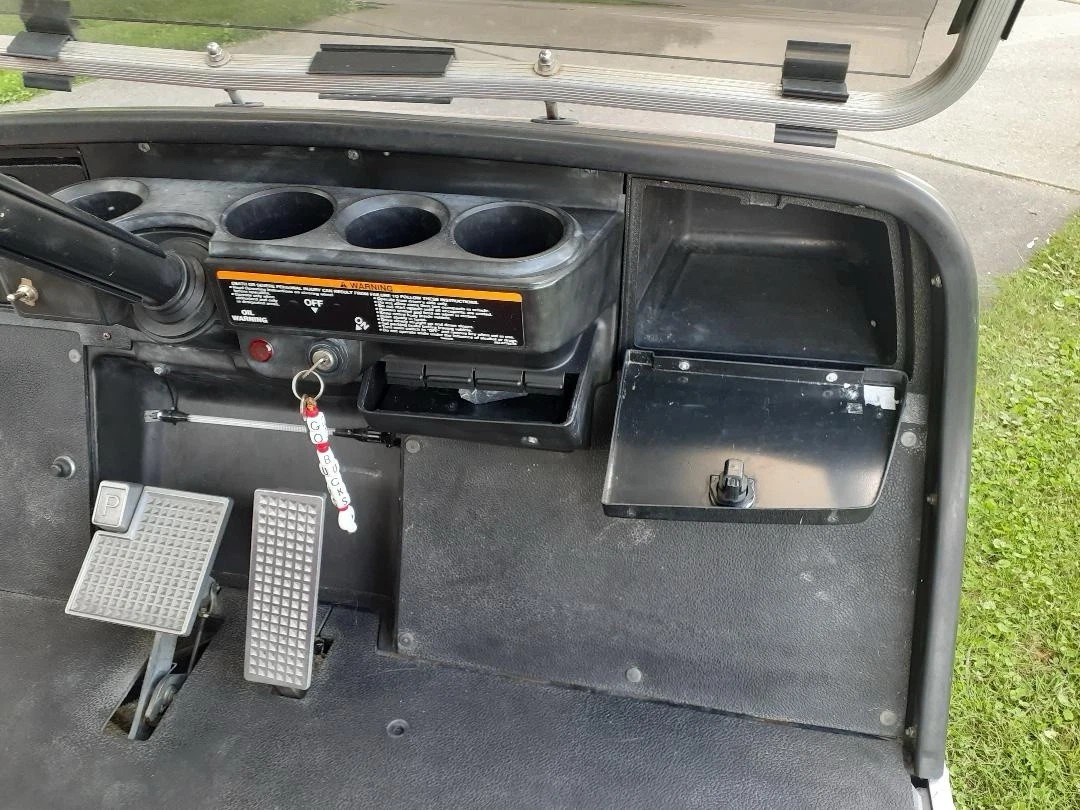
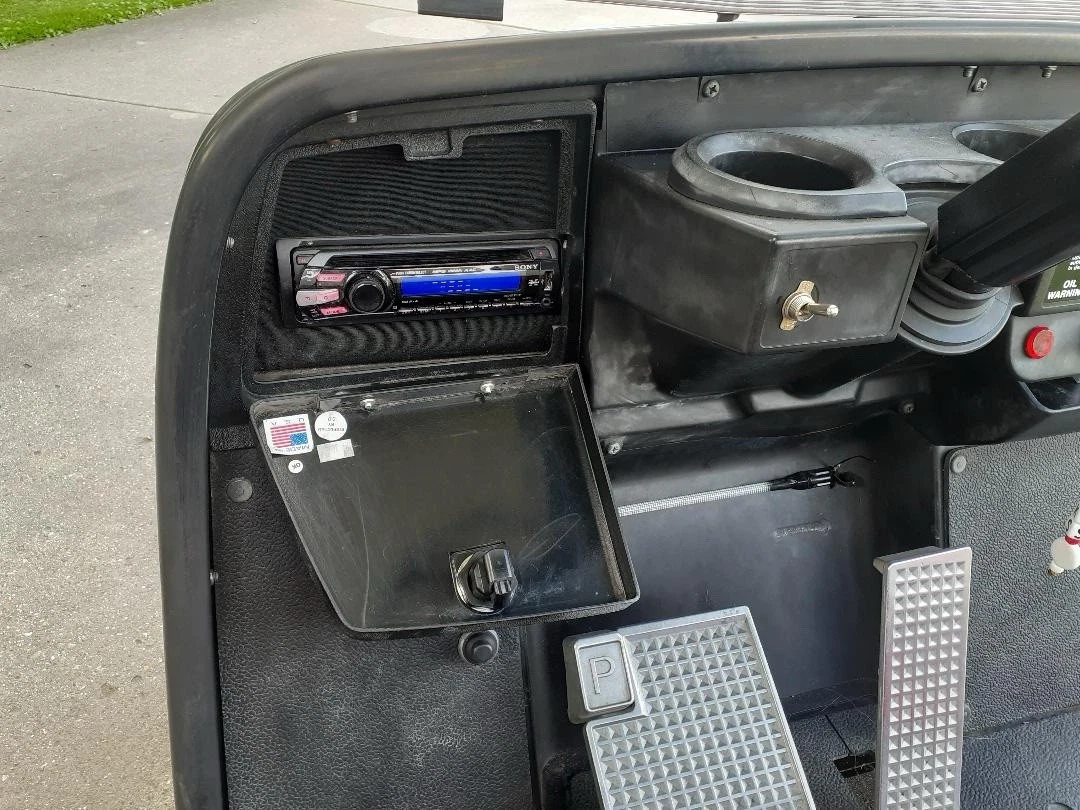
The dashboard was a clean, functional design. It featured a glove box on the passenger side, a deep storage tray on the driver’s side, and a central instrument panel that housed the ignition switch, light controls (where equipped), and a state-of-charge or fuel gauge. The cup holders were repositioned to be more accessible, and the optional overhead console provided additional storage for sunglasses, golf balls, or garage door openers.
Powertrain – The Heart of the Drive
At the core of the 2006 Yamaha Gasoline Golf Cart was a completely reengineered powertrain. Yamaha, with its deep roots in motorcycle and outboard marine engine development, leveraged its expertise to create a powerplant that prioritized quiet operation, fuel efficiency, and longevity.
The 357cc Engine
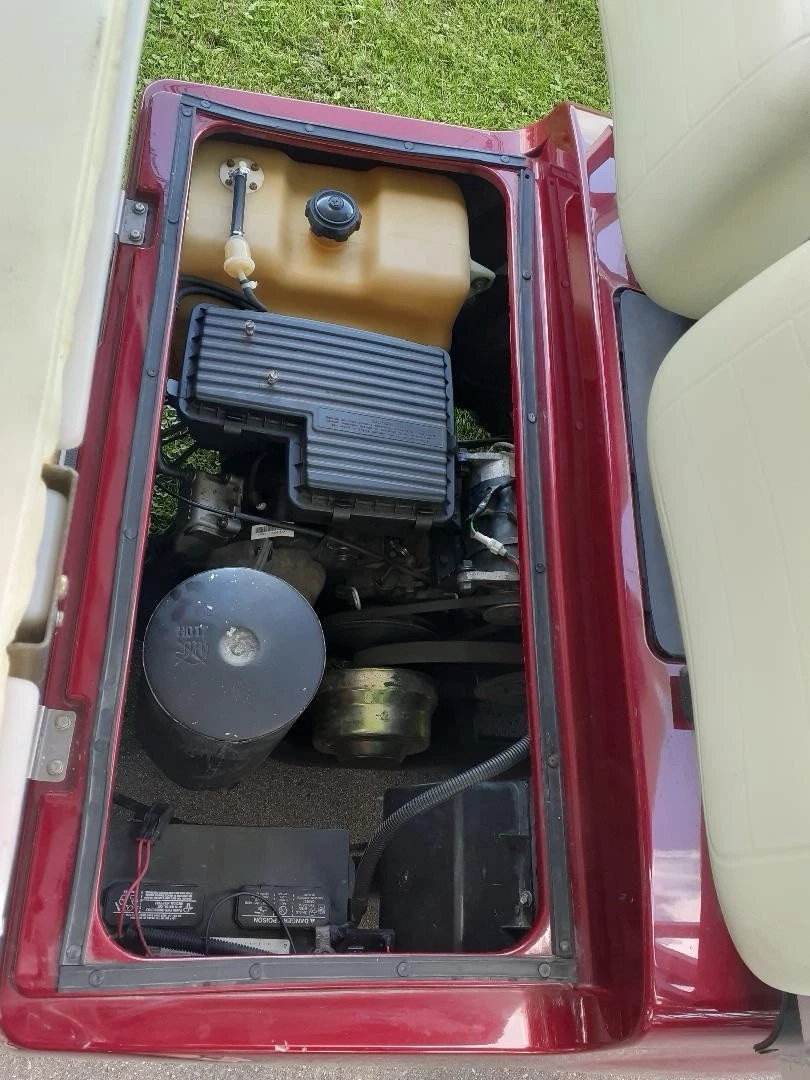
The engine was a 357cc, 4-stroke, overhead valve (OHV), single-cylinder unit. Displacing 357 cubic centimeters, it was designed specifically for low-speed, high-torque applications typical of golf cart use. The OHV configuration allowed for a more compact cylinder head design and improved thermal efficiency compared to the side-valve engines used in some competitors’ carts.
One of the most significant advancements for 2006 was the widespread adoption of Electronic Fuel Injection (EFI) . While a small number of very early production models may have retained a carburetor, the vast majority of 2006 Yamaha Drives were equipped with EFI. This was a groundbreaking move for the golf cart industry, where carburetors had been the norm for decades. The EFI system offered several distinct advantages:
Reliable Starting: The system automatically compensated for ambient temperature and altitude, eliminating the need for manual chokes or priming. In cold weather, the engine started instantly with a simple turn of the key.
Consistent Performance: EFI ensured precise air-fuel mixture under all operating conditions, resulting in smooth acceleration and stable idle regardless of temperature or humidity.
Fuel Efficiency: By optimizing combustion, the EFI system extracted more energy from each drop of fuel, extending the range between fill-ups.
Reduced Maintenance: Without a carburetor, there were no jets to clog, no floats to stick, and no need for periodic carburetor cleaning or rebuilding.
The engine was air-cooled, utilizing a large, thermostatically controlled cooling fan integrated into the flywheel. This fan drew air over the cylinder head and barrel, efficiently managing engine temperatures even during extended low-speed operation or while climbing hills. The absence of a liquid cooling system reduced weight, complexity, and potential failure points (such as hoses, radiators, and water pumps).
The Ultramatic Transmission
Perhaps the most celebrated feature of the 2006 Yamaha Drive was its Ultramatic drive system. At its core, the Ultramatic was a continuously variable transmission (CVT) consisting of a drive clutch (mounted on the engine crankshaft) and a driven clutch (mounted on the transaxle input shaft), connected by a heavy-duty Kevlar-reinforced drive belt.
What set the Ultramatic apart from competitors’ CVTs was the incorporation of a one-way sprag clutch within the driven clutch assembly. This seemingly small engineering detail had profound implications for the driving experience.
In a traditional golf cart CVT, when the driver lifts off the accelerator pedal, the transmission effectively goes into neutral, allowing the cart to coast freely. While this may feel smooth on flat terrain, it can be hazardous on downhill slopes, as the cart gains speed with no engine braking assistance.
The Ultramatic’s sprag clutch changed this dynamic. When the accelerator pedal was released, the one-way clutch engaged, maintaining a connection between the driven clutch and the transaxle. This allowed the engine’s compression to provide natural braking force, slowing the cart in a controlled, predictable manner. This feature, unique to Yamaha at the time, significantly enhanced safety, particularly in hilly environments or for drivers who appreciated the feel of automotive-style deceleration.
The CVT itself was tuned for smooth, seamless acceleration. There were no gear shifts, no jerks, and no hesitation. The drive ratio adjusted continuously based on engine RPM and load, ensuring that the engine always operated in its optimal power band. The result was a driving experience that felt refined, quiet, and effortless.
Transaxle and Differential
Power from the CVT was transmitted to a cast-aluminum transaxle housing that integrated the final drive gears, differential, and axle tubes. The rear axle featured a helical-cut ring and pinion gear set, which operated more quietly than the straight-cut gears used in some economy carts.
A notable feature was the manual differential lock, actuated by a lever located near the driver’s left knee. When engaged, the differential lock provided equal power to both rear wheels, dramatically improving traction in slippery conditions such as wet grass, mud, or loose gravel. This was an invaluable feature for golf course maintenance staff, utility users, or anyone operating the cart off-pavement. When not engaged, the differential operated normally, allowing the wheels to rotate at different speeds for smooth turning on pavement.
Chassis and Suspension – Ride Quality Redefined
Yamaha understood that ride quality was a critical factor separating a premium golf cart from an economy model. The 2006 Drive featured a completely redesigned chassis and suspension system aimed at delivering a stable, comfortable, and controlled ride across varied terrain.
Frame Construction
The chassis of the 2006 Yamaha Drive was constructed from high-strength, formed steel sections that were then coated with a durable powder finish to resist corrosion. However, a key structural element that contributed to the cart’s longevity was the use of an aluminum front subframe. This aluminum component, which supported the front suspension and steering, was impervious to rust—a common failure point on steel-framed carts exposed to moisture, fertilizers, and salt air in coastal communities.
Front Suspension
The front suspension was a fully independent double wishbone design—a configuration typically found in premium automobiles and off-road vehicles. Each wheel was located by upper and lower A-arms, which allowed each wheel to move independently in response to bumps and dips. This independent operation meant that when one front wheel encountered a pothole or curb, the other wheel remained unaffected, maintaining chassis stability and tire contact with the ground.
The suspension was damped by coil-over shock absorbers mounted between the lower control arms and the chassis. A stabilizer bar (anti-roll bar) was also incorporated, reducing body lean during cornering and contributing to the cart’s planted, confidence-inspiring handling.
Rear Suspension
The rear suspension utilized a swing arm design, which was a departure from the leaf-spring setups common in the industry. A single, rigid swing arm pivoted from the chassis and housed the engine, transaxle, and axle assembly. The swing arm was supported by two coil-over shock absorbers mounted to the chassis and the axle housing.
This design offered several advantages. By integrating the powertrain into the swing arm, unsprung weight was reduced, allowing the suspension to react more quickly to bumps. The coil-over shocks provided progressive damping, meaning the suspension became progressively firmer as it compressed, absorbing small bumps softly while maintaining control during larger impacts. The result was a rear suspension that delivered a composed ride even when the cart was loaded with two passengers, a full set of golf clubs, and a cooler.
Braking System
Safety was paramount in the design of the 2006 Yamaha Drive, and the braking system reflected this priority. The cart was equipped with 4-wheel hydraulic drum brakes—a significant upgrade over the 2-wheel brake systems still used by some competitors.
The hydraulic system provided balanced, progressive braking force. The drums were self-adjusting, maintaining proper shoe-to-drum clearance as the friction material wore, ensuring consistent pedal feel and stopping performance over the life of the brake components. The parking brake was a hand-actuated mechanism that locked the accelerator pedal in a depressed position, a simple yet effective system that prevented unintended movement when parked on slopes.
Steering and Handling
The steering system of the 2006 Yamaha Drive was another area where automotive engineering principles were applied. Previous golf carts often employed rack-and-pinion steering with a high steering ratio, resulting in a vague, over-assisted feel. Yamaha recalibrated the system to provide what they called “automotive-style” steering.
The steering ratio was optimized to require approximately 2.5 turns lock-to-lock, providing a balance between maneuverability at low speeds and stability at higher speeds. The steering column was mounted at the aforementioned 18-degree angle, and the steering wheel itself was a three-spoke design with an ergonomic rim diameter that felt substantial in the driver’s hands.
The turning radius was an impressive 10.8 feet (3.3 meters), allowing the cart to navigate tight corners, navigate around trees on golf courses, and perform U-turns on narrow residential streets with ease. This maneuverability was achieved without sacrificing high-speed stability, thanks to the carefully tuned caster and camber angles of the front suspension.
Electrical System and Instrumentation
While the 2006 Yamaha Drive was a gasoline-powered vehicle, it still relied on a robust electrical system to manage ignition, starting, lighting, and accessory power.
Starting and Charging System
The engine was started by a 12-volt electric starter motor that engaged a ring gear on the engine flywheel. The starter was controlled by a solenoid and a series of safety interlocks that prevented starting unless the gear selector was in neutral or park and the brake pedal was depressed (depending on the specific configuration).
Charging was handled by a flywheel alternator integrated into the engine’s cooling fan assembly. With an output rating of approximately 20 amps, the alternator provided sufficient current to recharge the battery after starting and to power headlights, taillights, and optional accessories such as turn signals, stereos, or cooling fans.
Battery
The battery was typically a Group 35 maintenance-free lead-acid unit, designed to withstand the vibration and occasional jolts associated with golf cart operation. The battery tray was located in an easily accessible compartment beneath the seat, with a secure hold-down bracket to prevent movement.
Lighting and Accessories
When equipped with the factory light kit, the 2006 Drive featured halogen headlights with high and low beams, red taillights with integrated brake lights, and side marker reflectors. The headlights were controlled by a rotary switch on the dashboard, and an optional horn was available for street-legal configurations.
For communities requiring street-legal compliance, Yamaha offered a “Street” package that included turn signals, a horn, rearview mirrors, a windshield, and seat belts. These carts could be registered as Low-Speed Vehicles (LSVs) in many jurisdictions, allowing operation on public roads with speed limits of 35 mph or less.
Performance and Driving Experience
The true measure of any vehicle is how it feels to drive, and the 2006 Yamaha Drive delivered an experience that was, at the time, unmatched in the golf cart segment.
Acceleration and Speed
From a standstill, the Ultramatic CVT provided smooth, linear acceleration. There was no “jerk” or hesitation as the clutch engaged; instead, the cart moved forward with a refined, progressive surge. The engine, with its EFI system, responded instantly to throttle inputs, and the CVT seamlessly adjusted the drive ratio to maintain optimal power delivery.
The factory governor limited the top speed to approximately 12 to 14 miles per hour (19 to 22 kilometers per hour), which was the standard for golf course compliance. However, the engine and drivetrain were capable of higher speeds, and many owners opted to adjust or remove the governor for personal use, achieving speeds in the range of 18 to 22 mph. It should be noted that such modifications could affect safety and warranty coverage.
Hill Climbing Ability
The combination of the torquey 357cc engine and the CVT’s ability to shift to a low ratio under load made the 2006 Drive an exceptional hill climber. The cart could ascend grades of up to 25 degrees or more without hesitation, maintaining steady progress without bogging down or requiring a running start. The engine braking provided by the Ultramatic transmission was equally valuable when descending steep grades, allowing the driver to maintain control without riding the brakes.
Noise and Vibration :YAMAHA GOLF CART
Yamaha placed significant emphasis on noise, vibration, and harshness (NVH) reduction. The engine was mounted on rubber isolators to minimize vibration transmission to the chassis. The air intake and exhaust systems were tuned to produce a low, subdued tone rather than the sharp, buzzy sound characteristic of some competitors’ carts. At cruising speed, conversations between occupants could be carried out at normal speaking volume—a testament to the refinement of the powertrain and chassis.
Durability Testing : YAMAHA GOLF CART
Yamaha subjected the G29 platform to rigorous durability testing before release. The company operated test fleets in extreme environments, including the heat of the Arizona desert, the humidity of Florida, and the cold of the northern United States. The frame and body were tested for structural integrity, and the engine was run through thousands of hours of simulated operation. The result was a vehicle that consistently demonstrated high reliability and longevity, with many 2006 models still in regular service today.
Reception
Initial reviews from golf course superintendents, fleet managers, and individual owners were overwhelmingly positive. The combination of reliability, ride quality, and the safety of the Ultramatic’s engine braking were frequently cited as key advantages. The cart’s styling was also widely praised, with many owners appreciating the modern, car-like appearance.
Enduring Popularity
Today, the 2006 Yamaha Drive remains a highly sought-after model in the used golf cart market. Its reputation for reliability, the availability of aftermarket parts, and the relative simplicity of its systems (compared to newer, more electronically complex models) make it a favorite for enthusiasts, retirees, and utility users. The G29 platform proved so successful that Yamaha continued producing it with incremental updates until the introduction of the all-new “PTV” (Personal Transportation Vehicle) line years later.
Customization and Aftermarket Support
The popularity of the 2006 Drive spawned a massive aftermarket industry. Owners can choose from thousands of accessories, including lift kits, custom wheels and tires, rear seat conversions, stereo systems, LED lighting upgrades, performance clutches, and complete body wraps. The robust aftermarket support ensures that these carts can be personalized to suit virtually any taste or application, from street-legal cruisers to off-road utility vehicles.
Conclusion
The 2006 Yamaha Gasoline Golf Cart, officially known as the Yamaha Drive G29, represented a paradigm shift in the design and engineering of low-speed personal transportation vehicles. It was not merely an iteration of an existing formula but a comprehensive rethinking of what a golf cart could and should be.
Reviews
There are no reviews yet.